27 Jun 2025
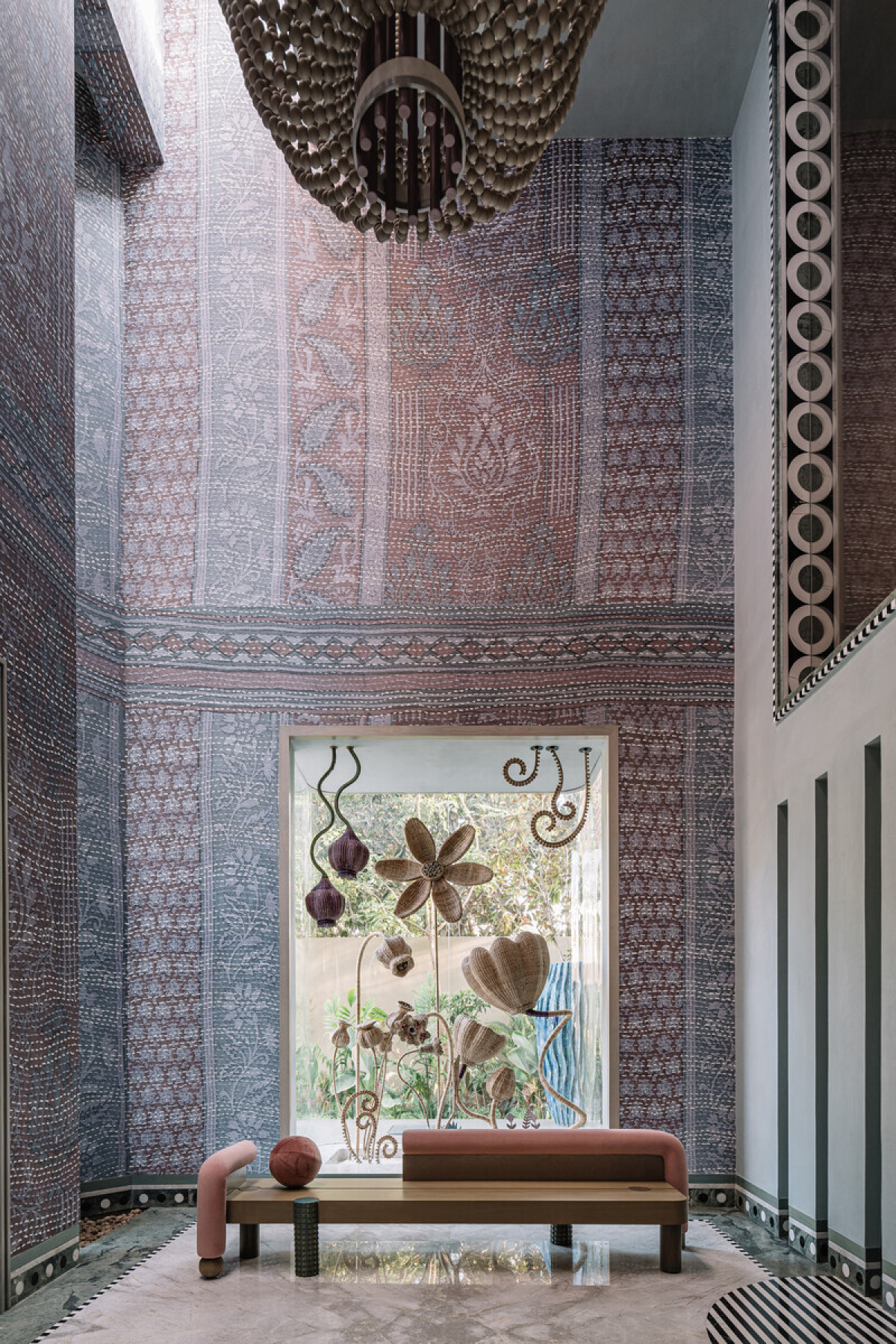
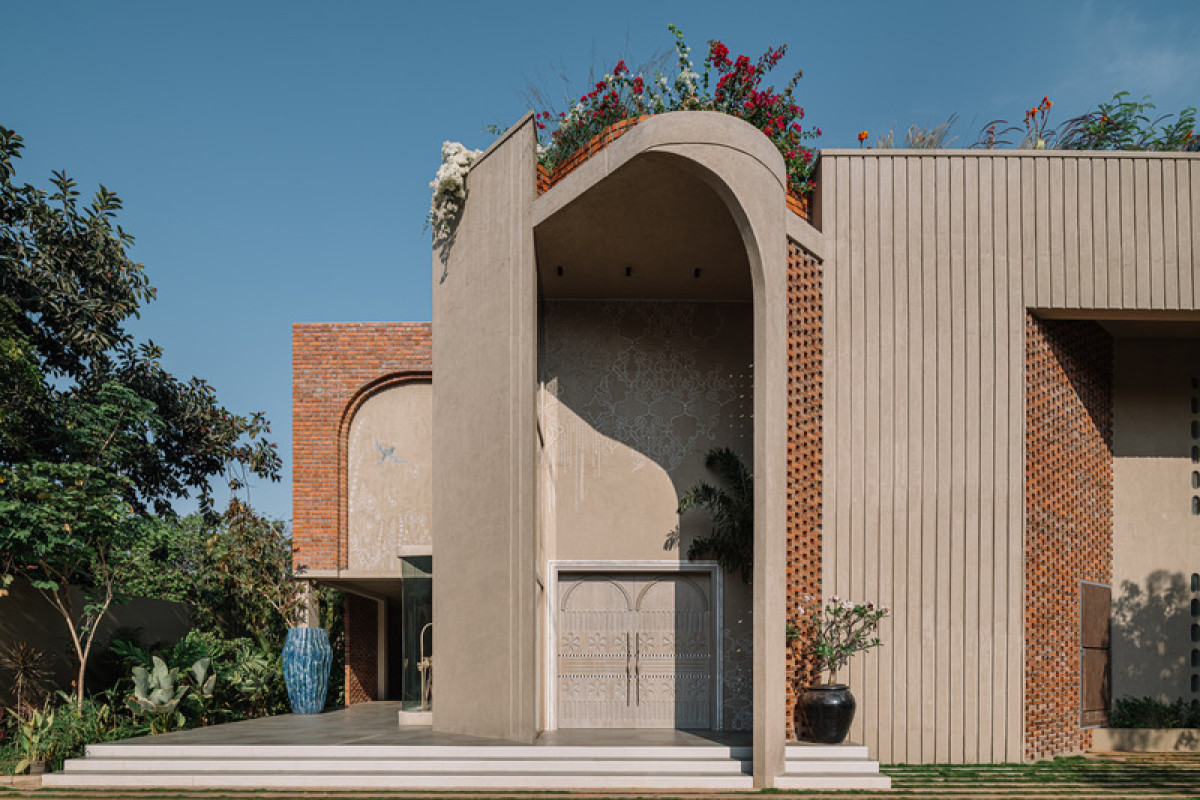
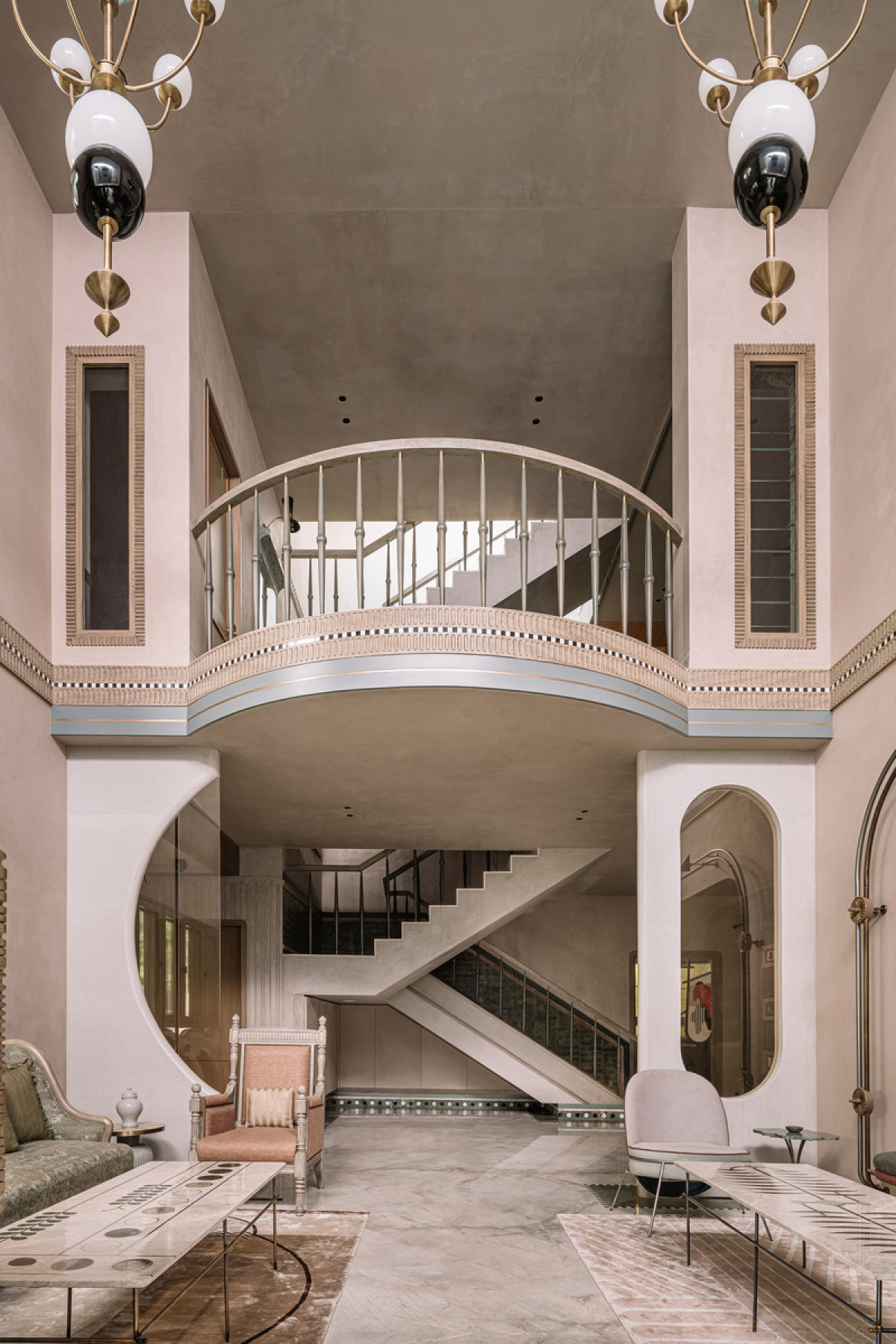
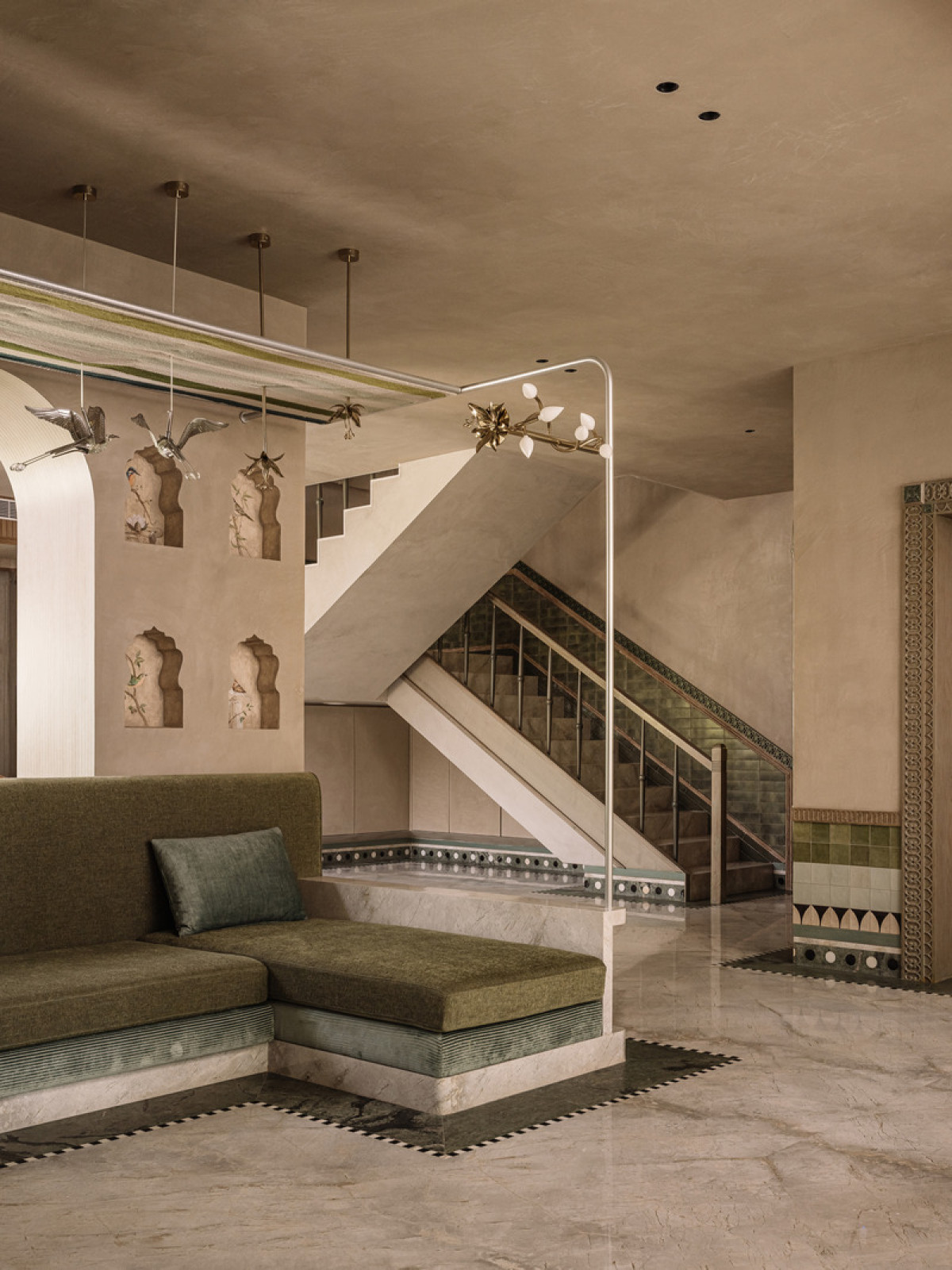
Pennyroyal Tea, a garden sanctuary located on the serene eastern coast of Tamil Nadu, stands as a beacon of inclusive design and sustainable craftsmanship. Created by a collective of over 200 highly skilled artisans from across India, this remarkable residence celebrates heritage, empowers communities, and redefines what it means to build consciously.
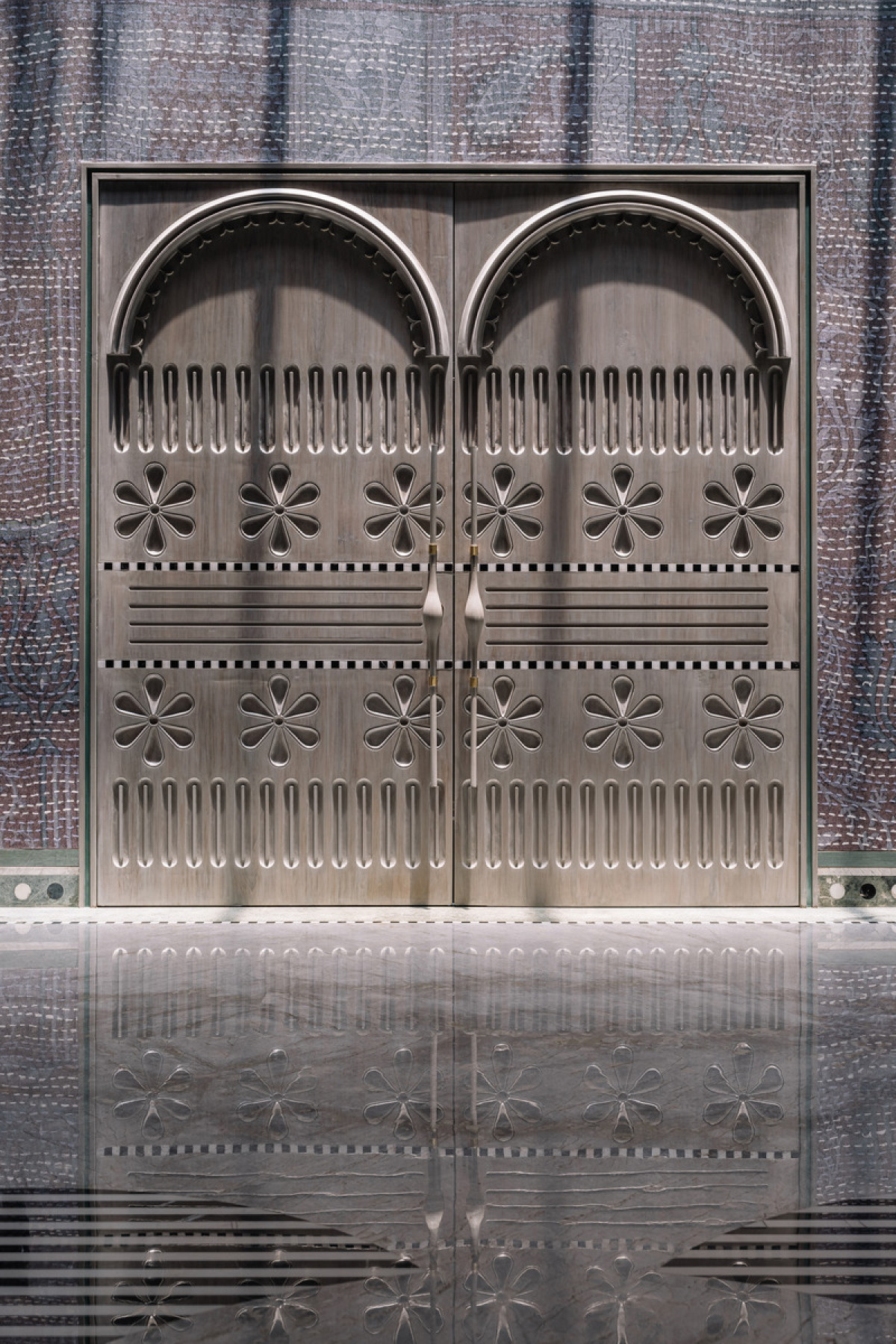
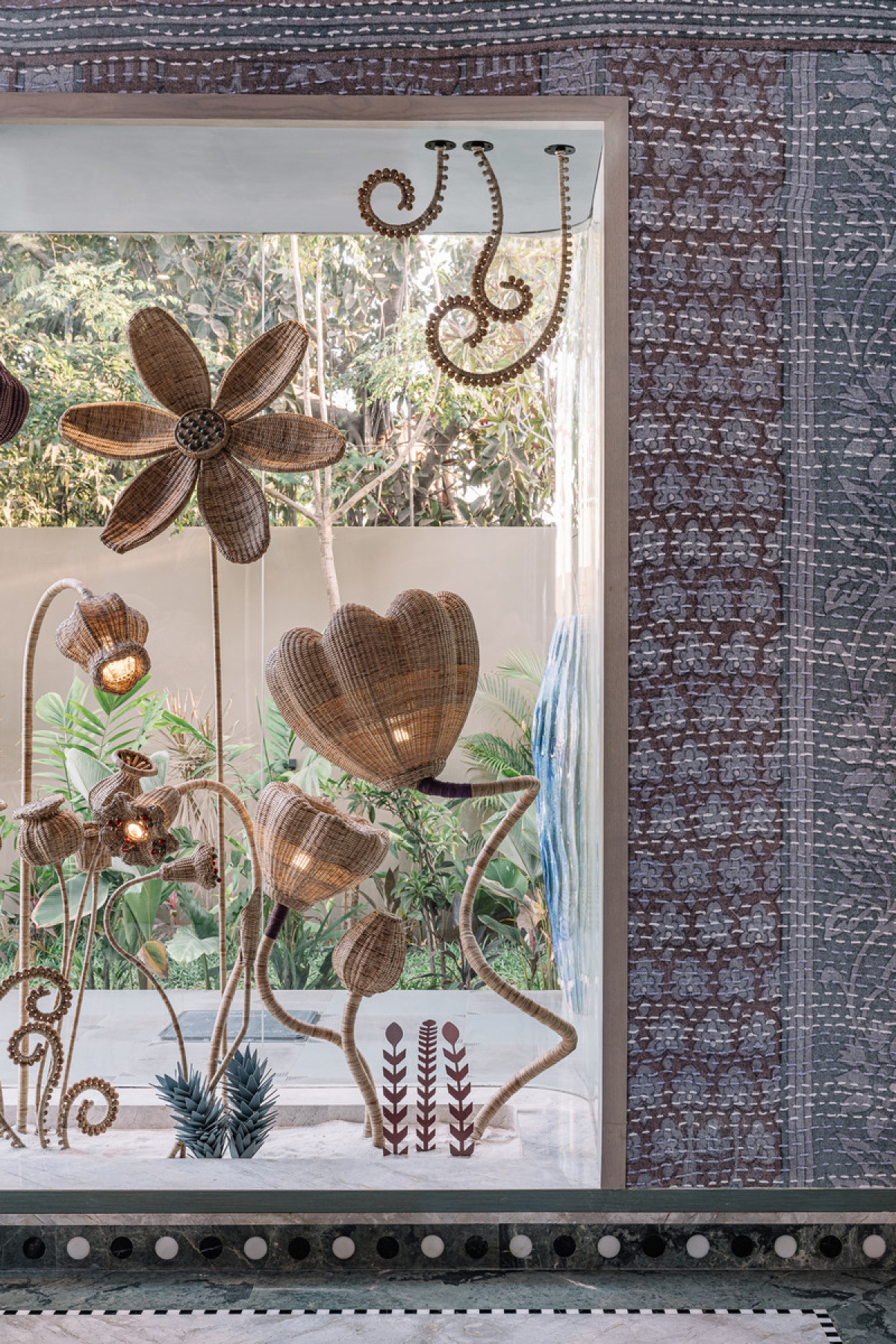
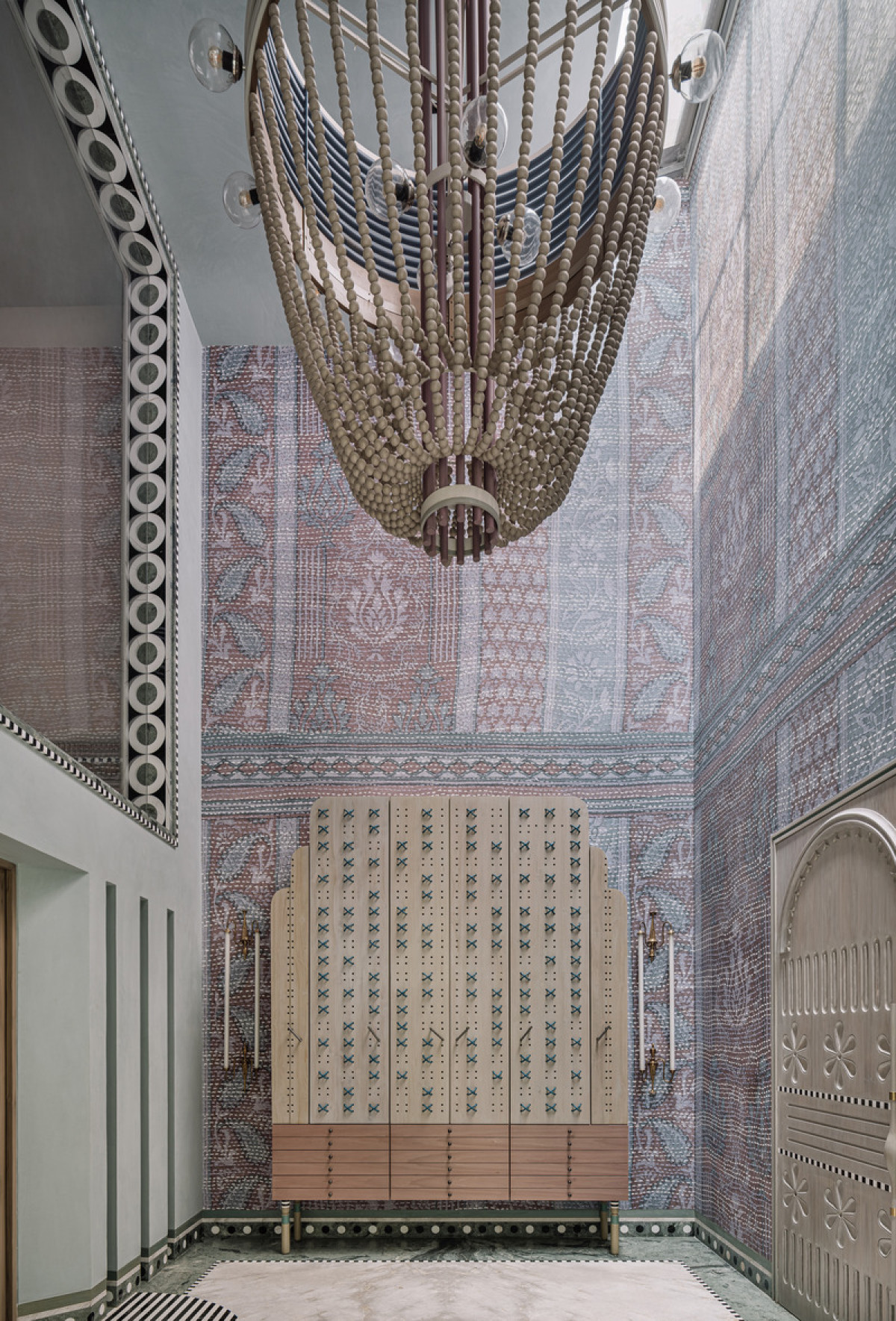
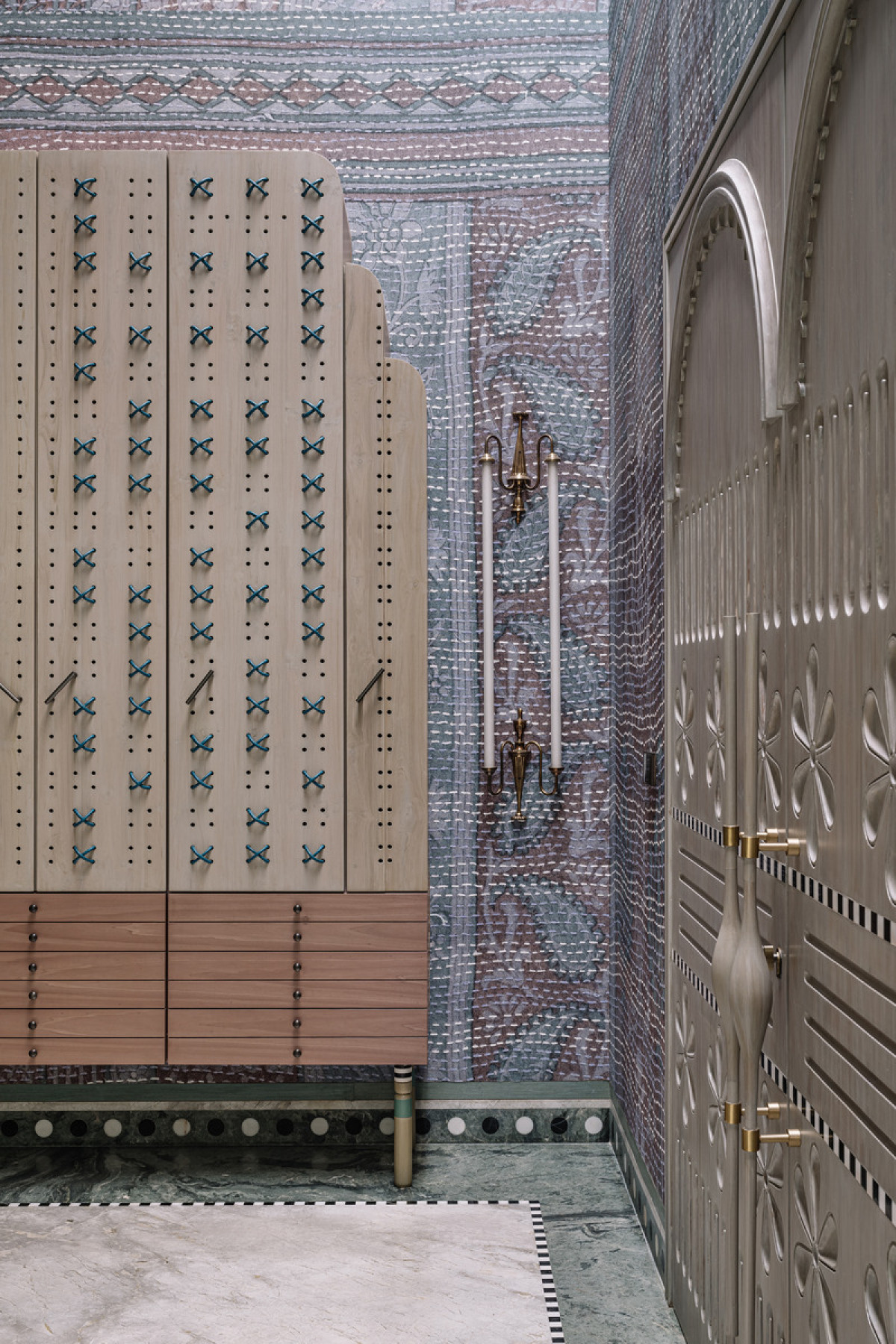
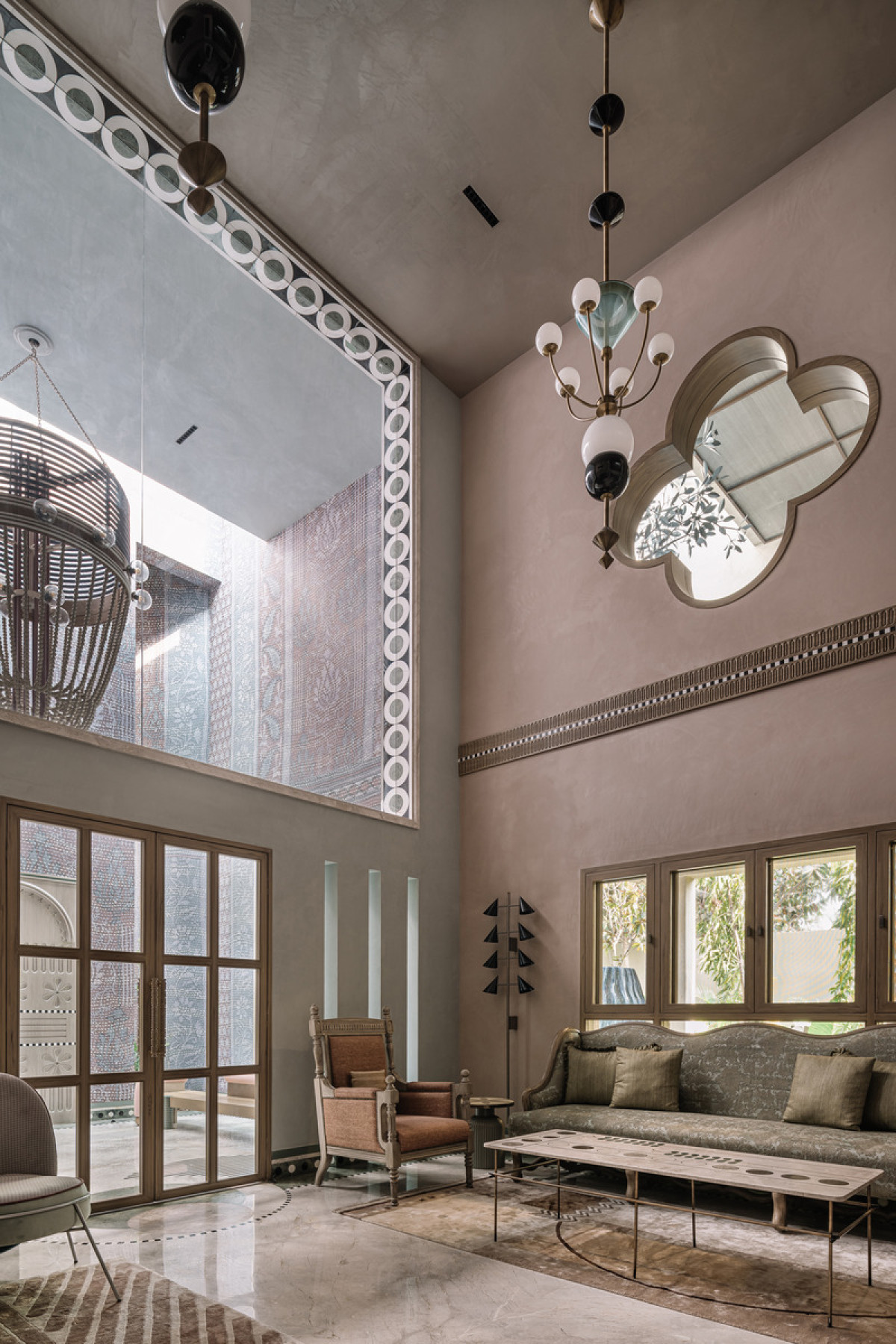
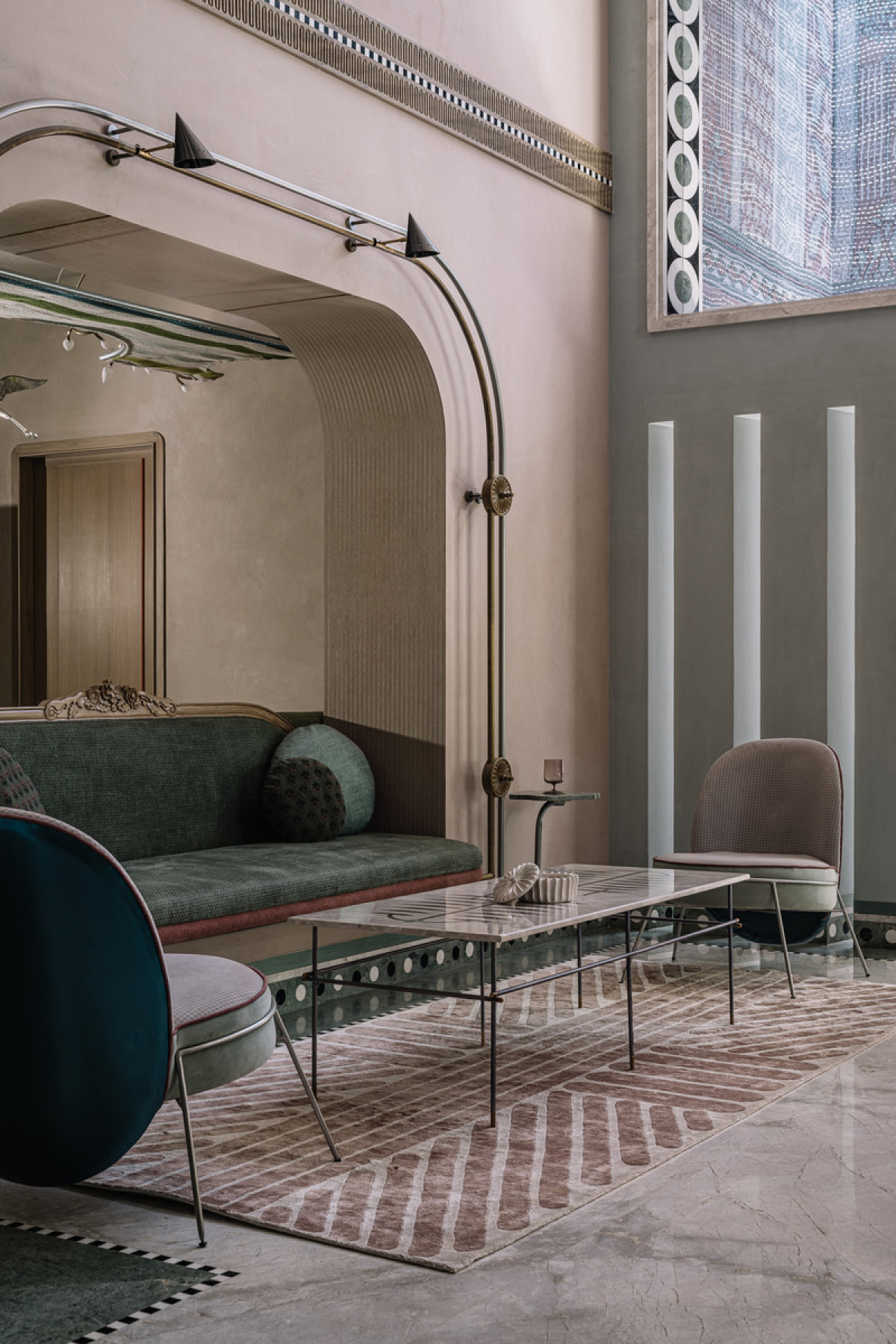
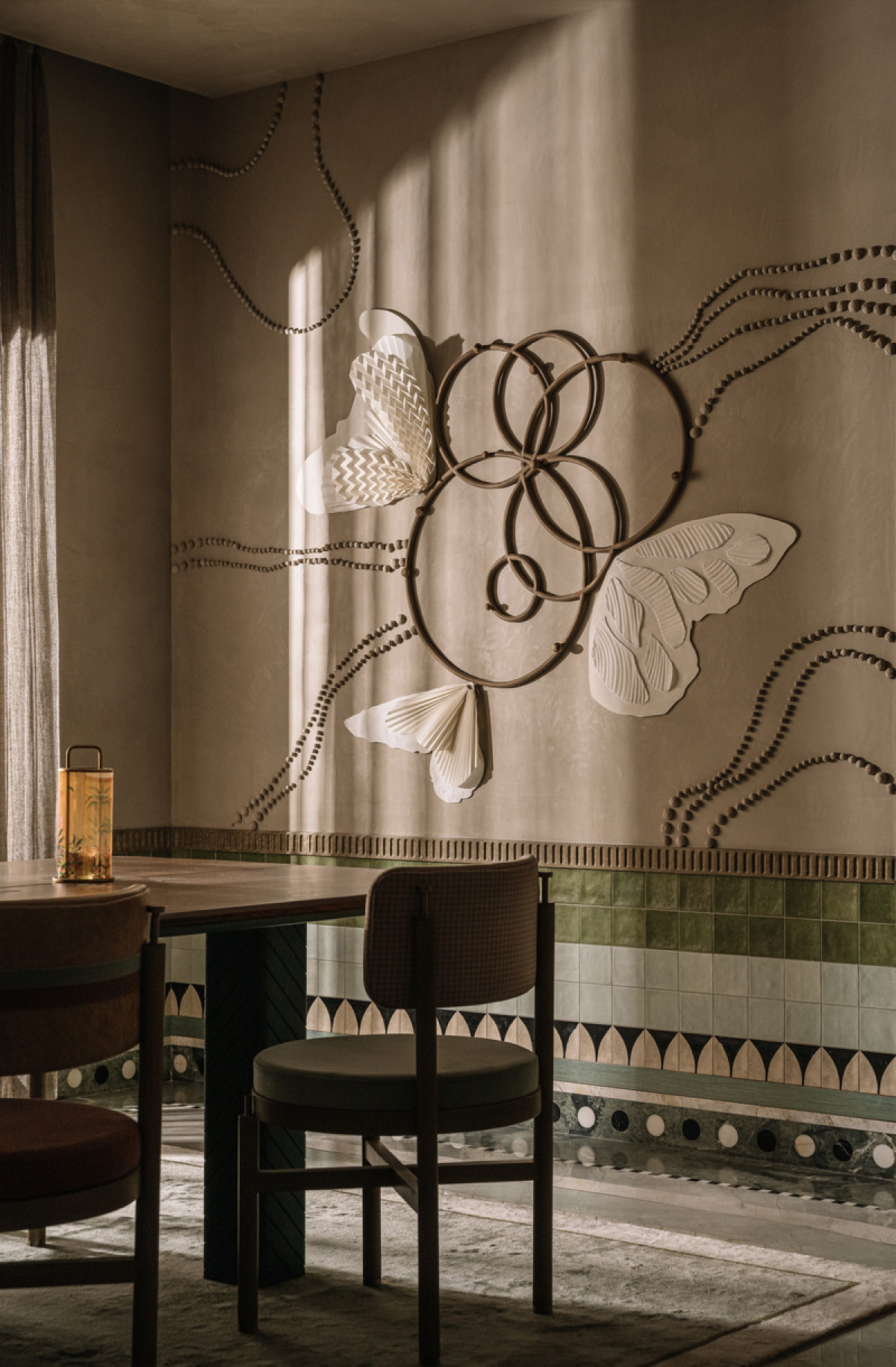
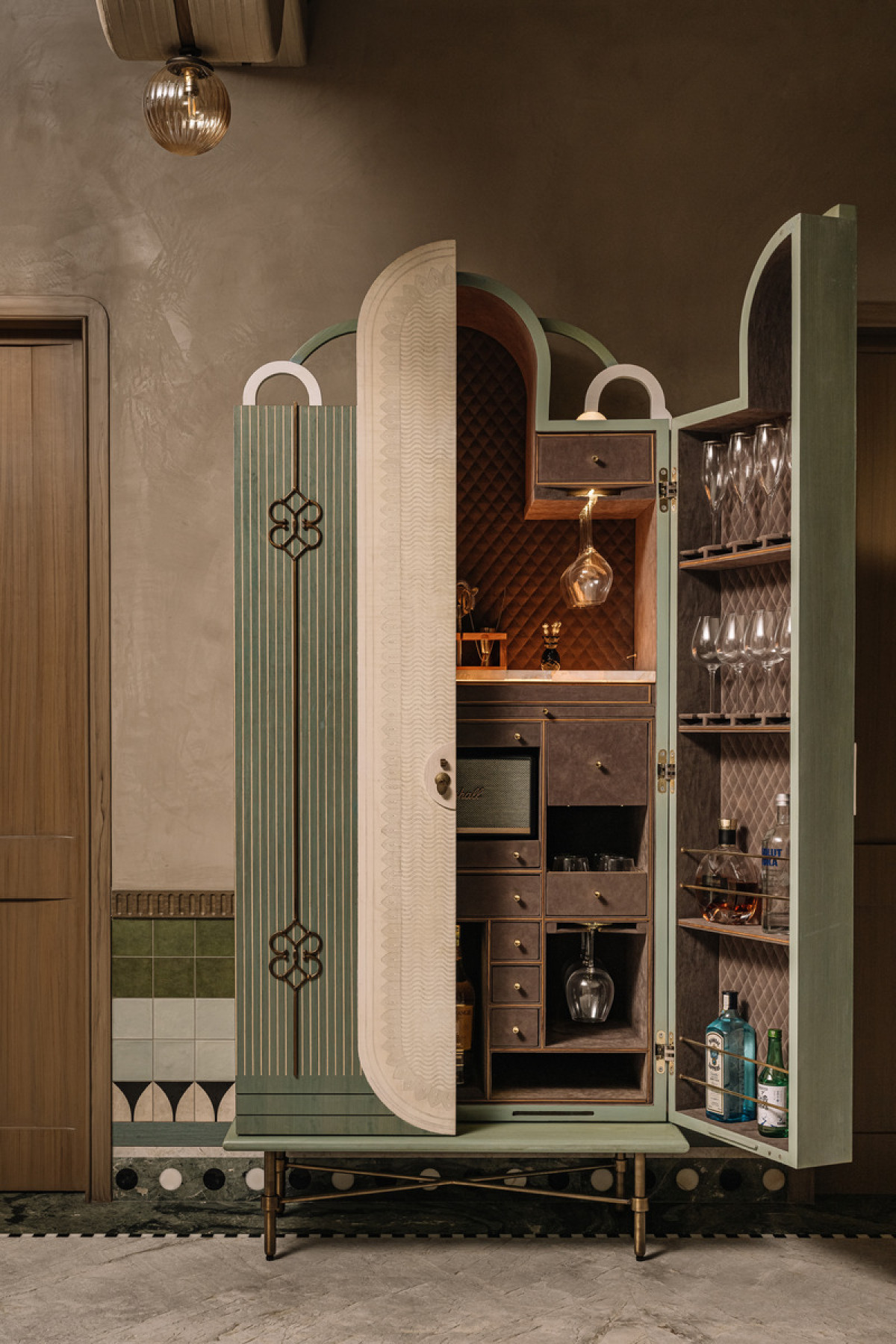
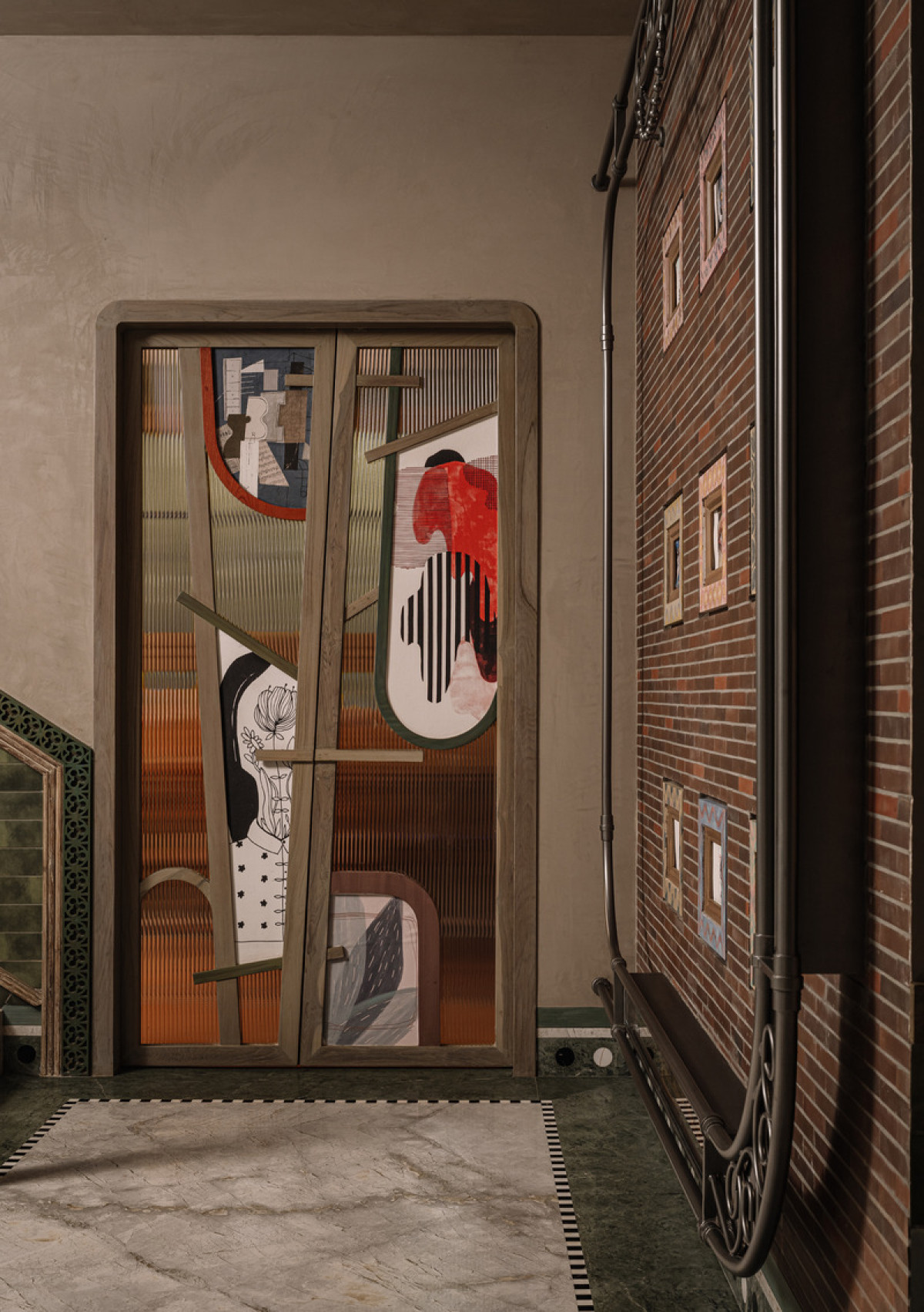
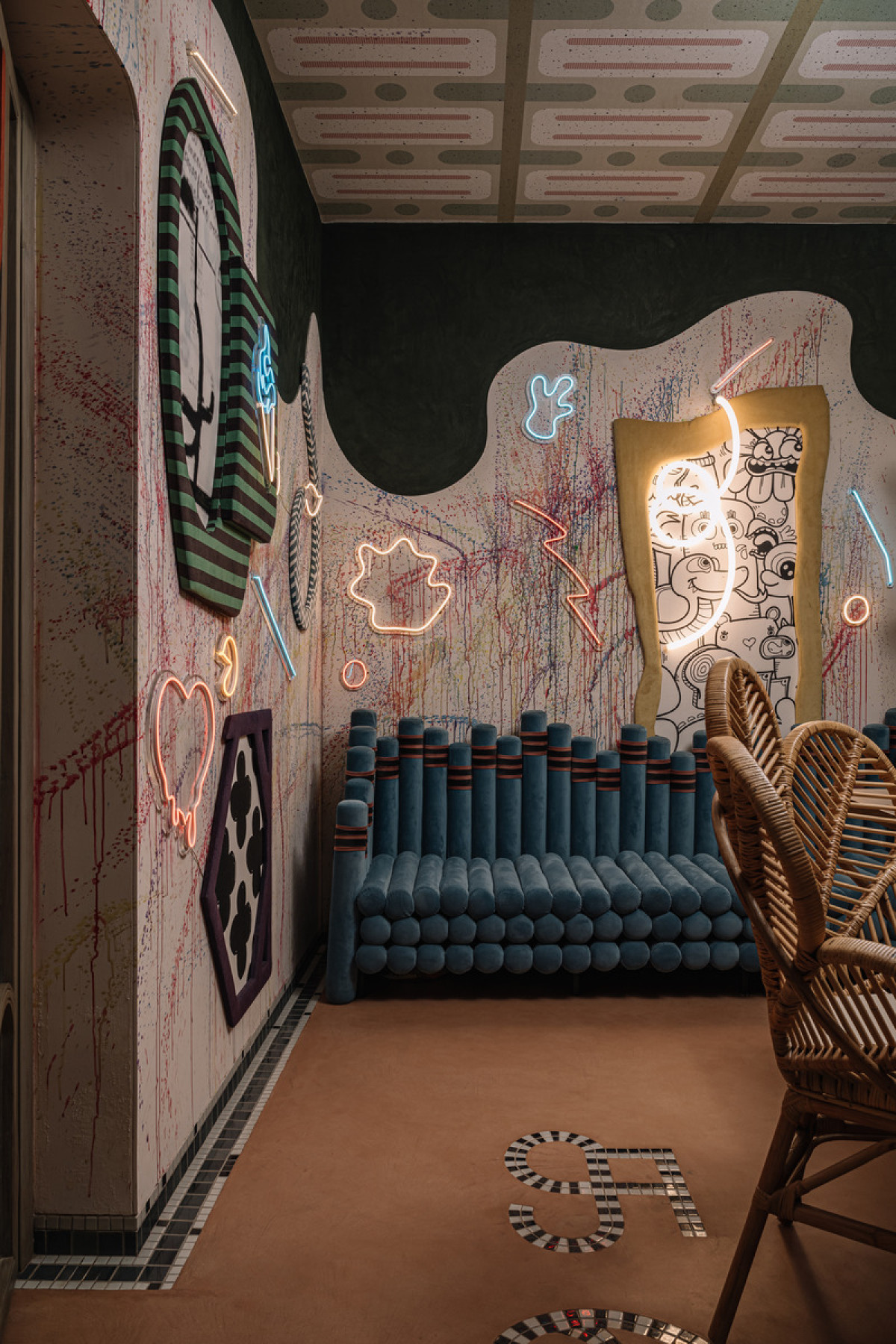
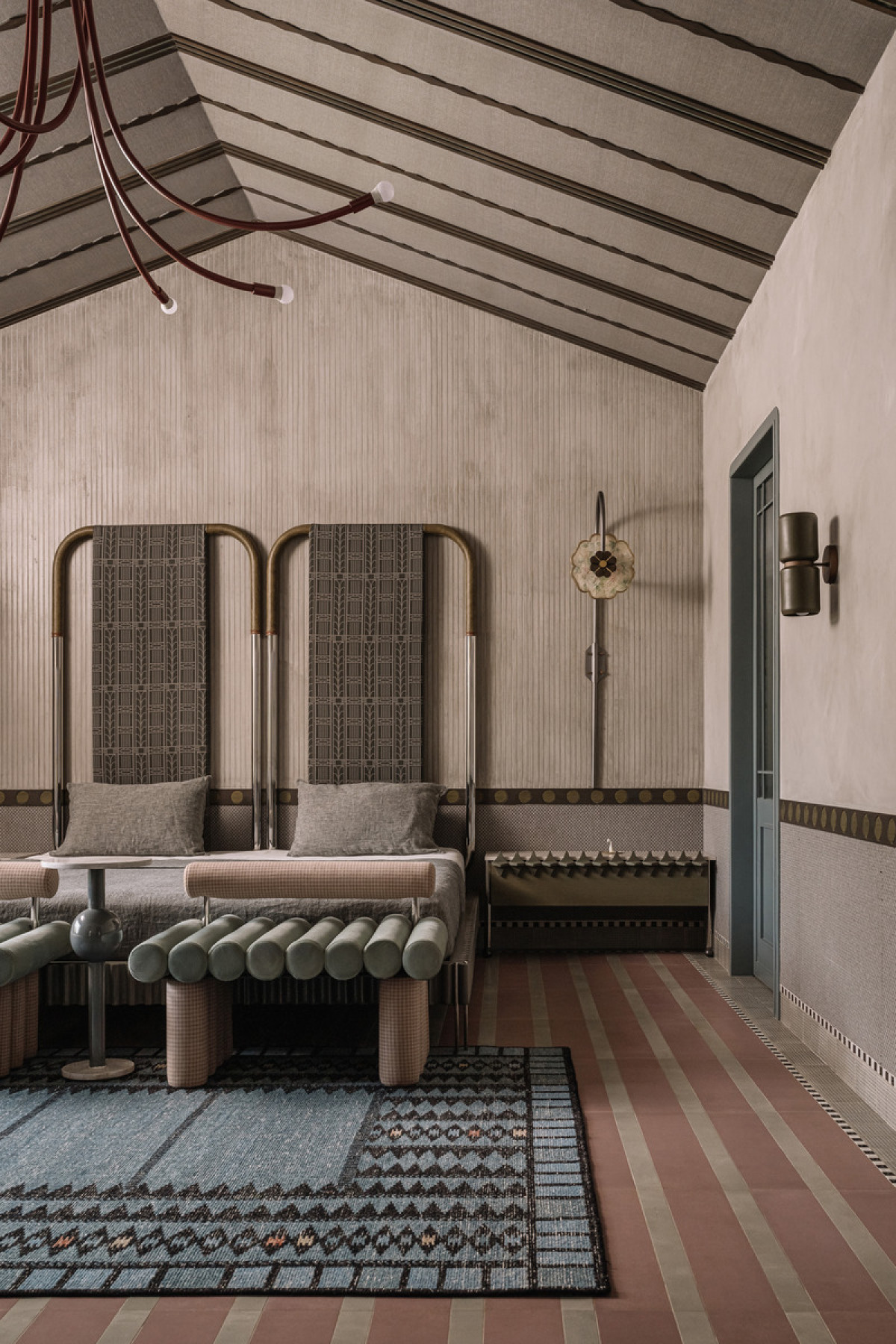
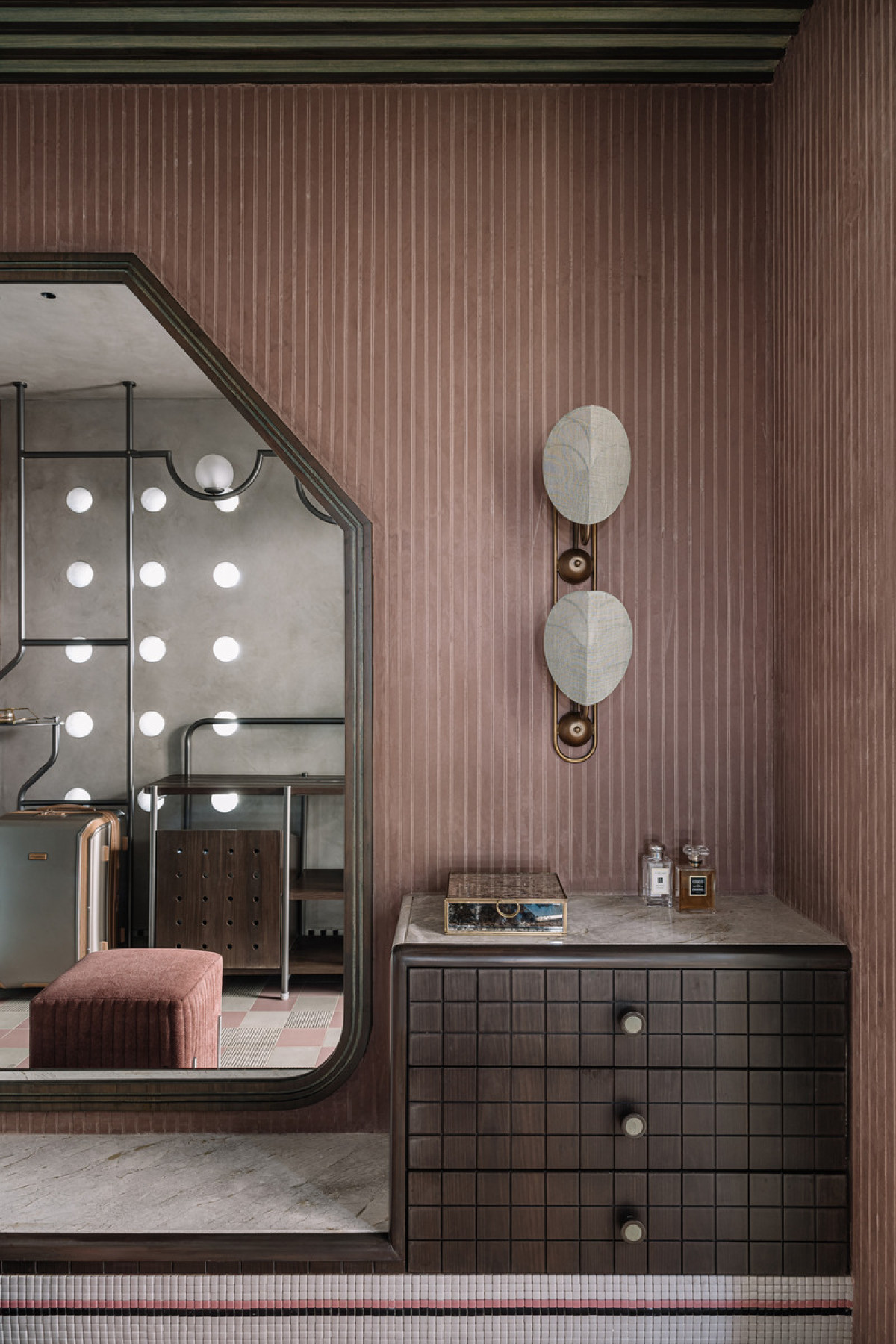
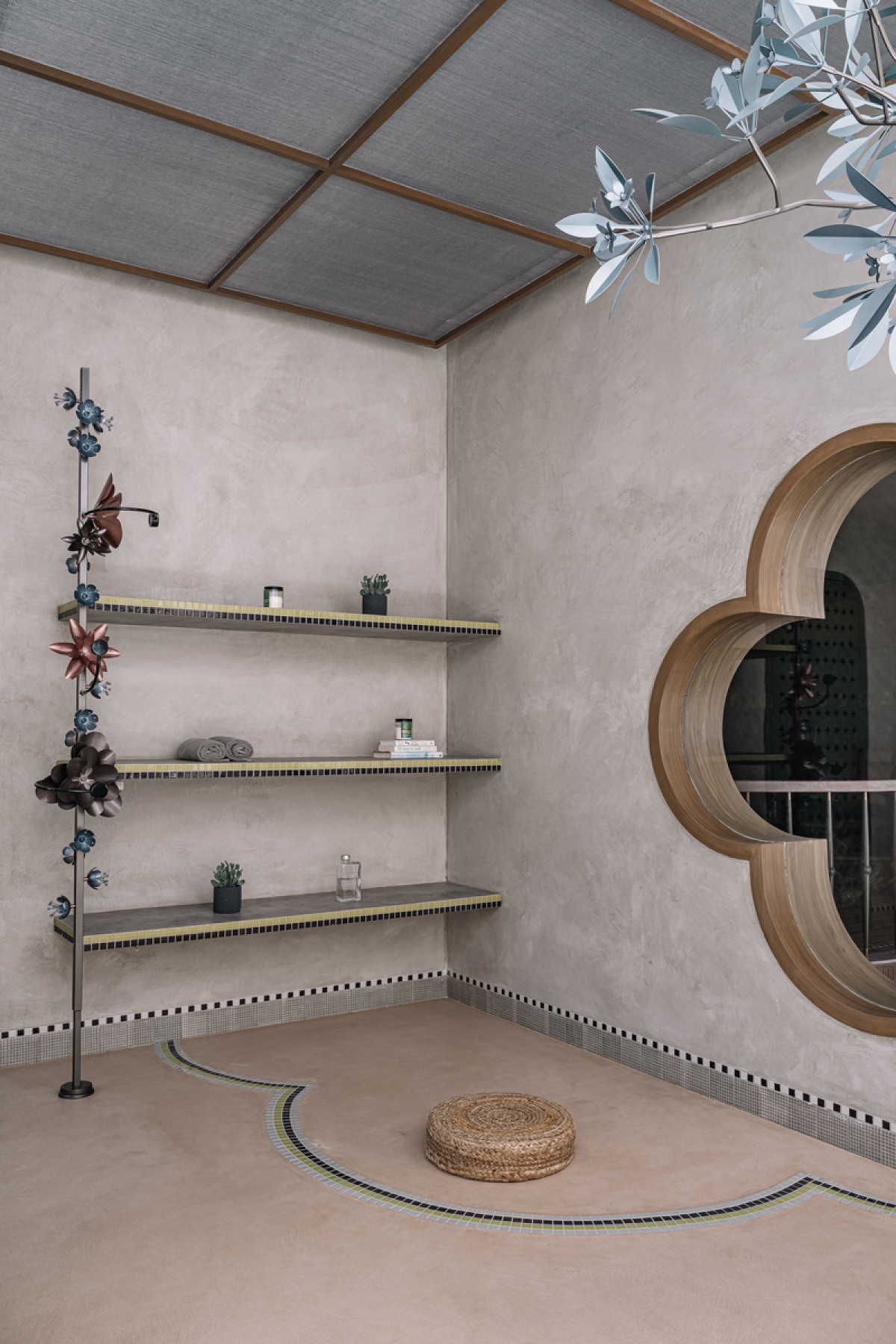
Throughout two and a half years, the project brought together traditional craftsmanship and modern design, with 80% of its furniture, lighting, and artworks custom-crafted for the space. The result is an immersive, wonder-filled environment that captures the richness of Indian culture while presenting a refreshingly contemporary outlook.
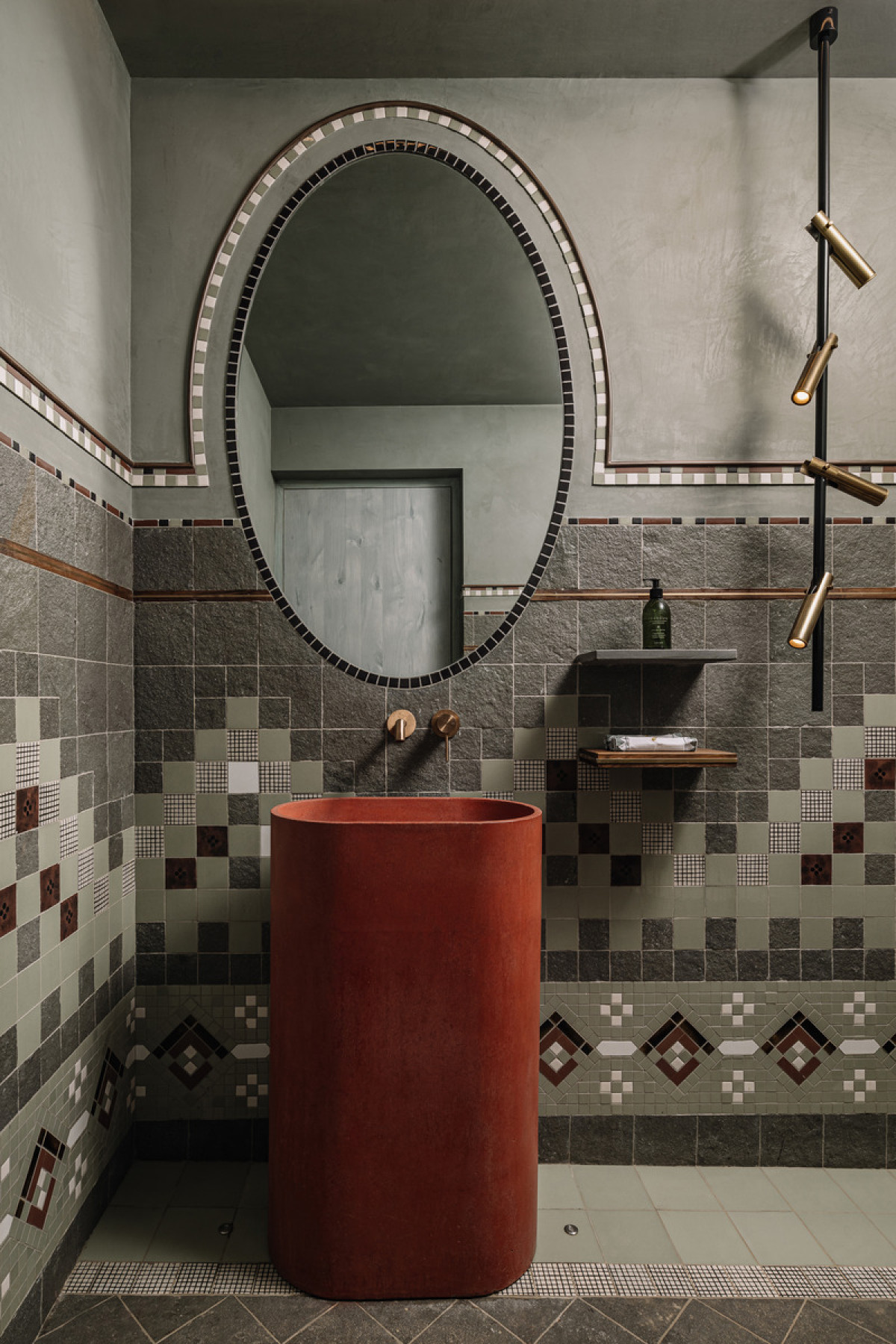
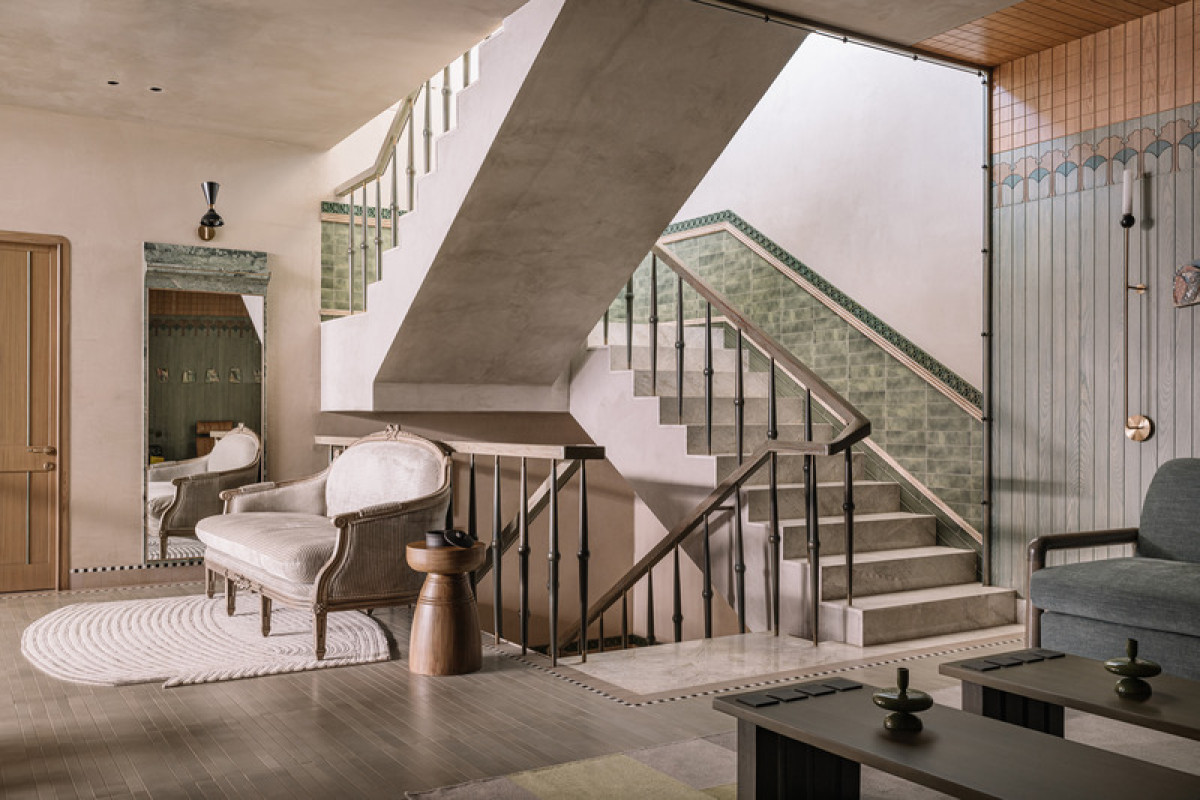
With a deep commitment to sustainability, Pennyroyal Tea prioritises the use of locally-sourced natural stone and solid wood, ensuring minimal environmental impact and improved indoor air quality. By focusing on custom design, the team significantly reduced waste and minimised reliance on mass. Produced goods. The approach also embraces end-of-life considerations, making it possible for materials to be reused or recycled, thereby lowering both embodied and operational carbon footprints.
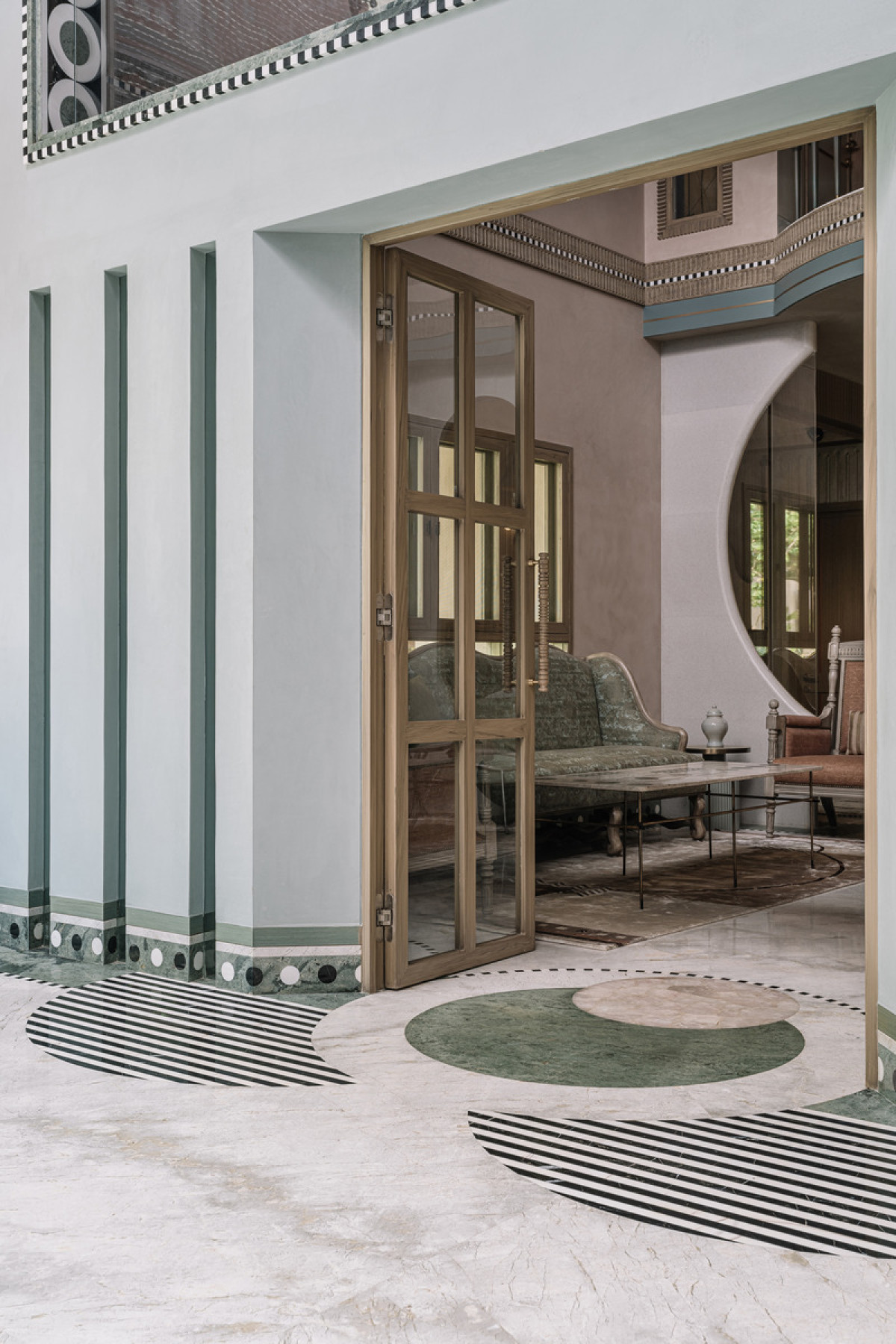
More than a home, Pennyroyal Tea is a living canvas — a space where heritage and innovation converge. From its intricate mosaic flooring and brass installations, to its handcrafted furnishings, every element tells a story of craftsmanship, culture, and care for the planet. The project serves as an enduring reminder of how design can uplift communities, honour traditions, and build a more sustainable future for all.

Technical sheet
Project Name: Pennyroyal Tea
Location: Eastern Coast of Tamil Nadu, India
Duration: 2.5 years
Artisans Involved: 200+ skilled artisans from across India
Design Focus: Inclusive design, sustainable craftsmanship, cultural heritage
Material Palette:
Natural Stone & Solid Wood: Locally sourced, free from harmful chemicals
Custom Furniture & Fixtures: ~80% of total interiors
Additional Elements: Mosaic flooring, brass installations
Sustainability Features
Reduced waste through a custom design approach
End-of-life consideration for materials (reuse/recycling)
Minimised reliance on mass-produced goods
Improved indoor air quality with natural, low-VOC finishes
Reduced embodied and operational carbon footprints
Artisan Impact
Preservation of traditional craftsmanship and heritage skills
Empowerment and economic benefits for local communities