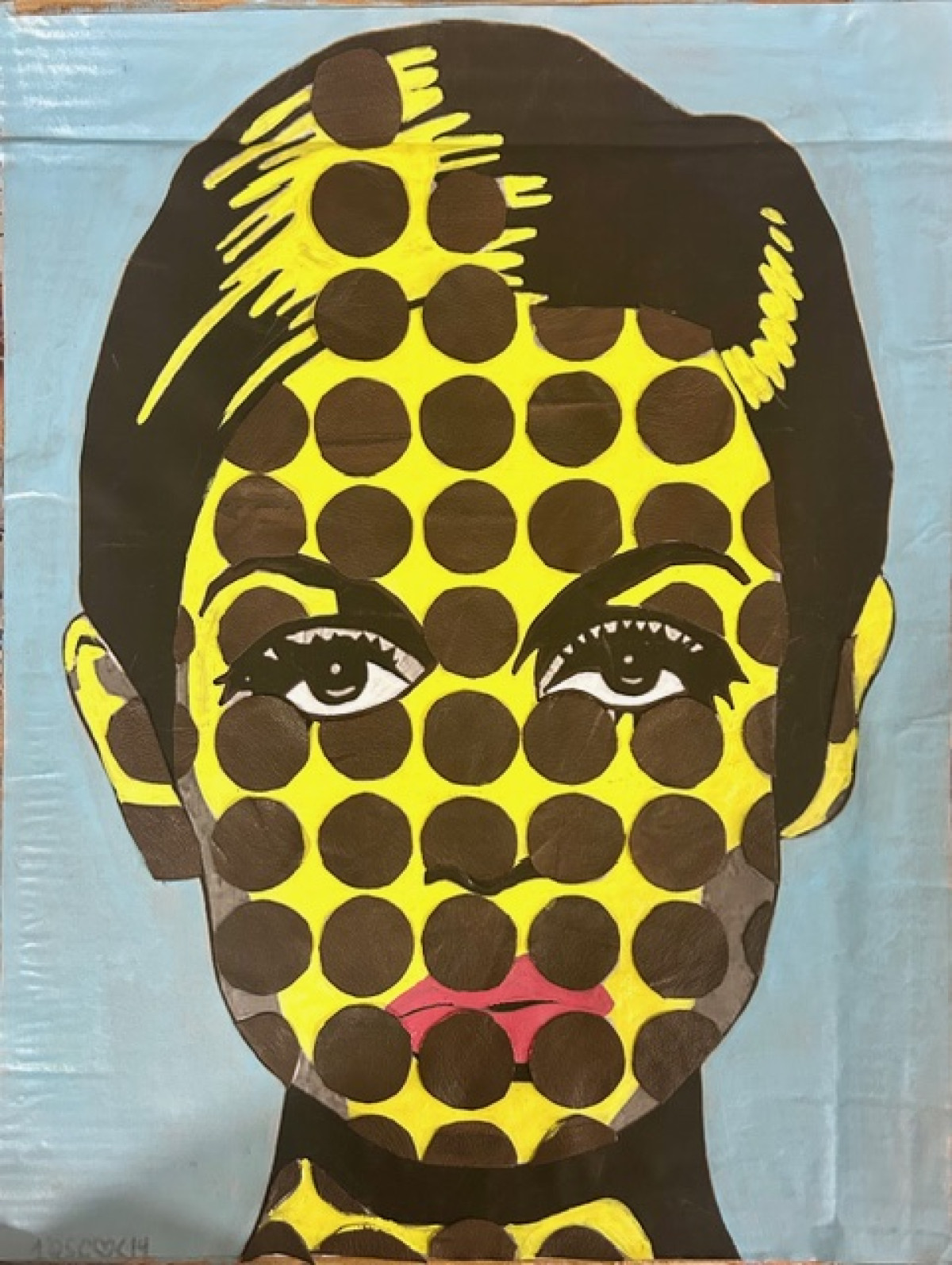
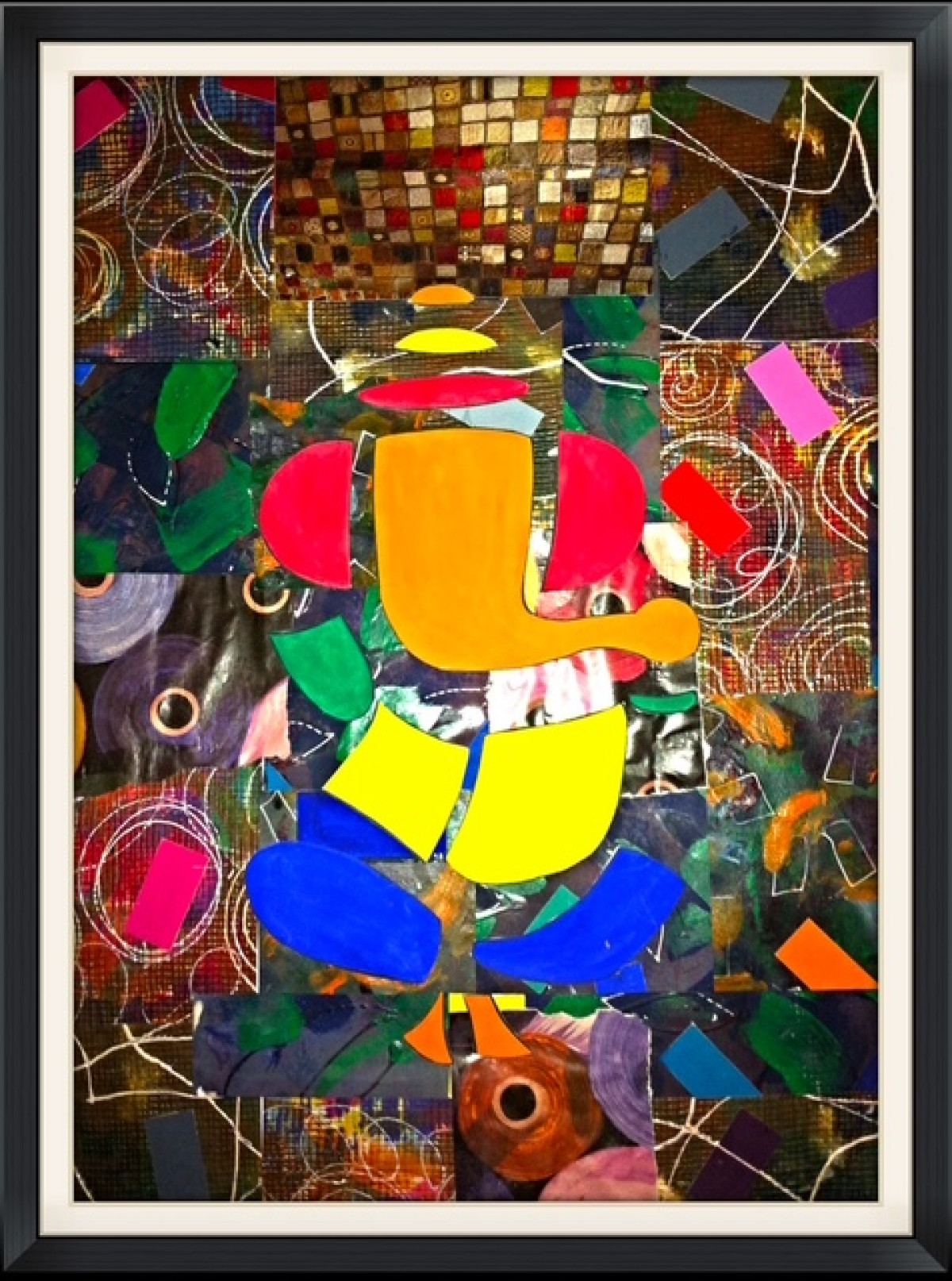
Sustainable art, often linked with eco-art or green art, represents a growing movement where creativity merges with responsibility toward the environment. In a world facing critical challenges like climate change, resource depletion, and uncontrolled waste, sustainable art becomes more than aesthetics—it is an ethical practice and a form of activism.
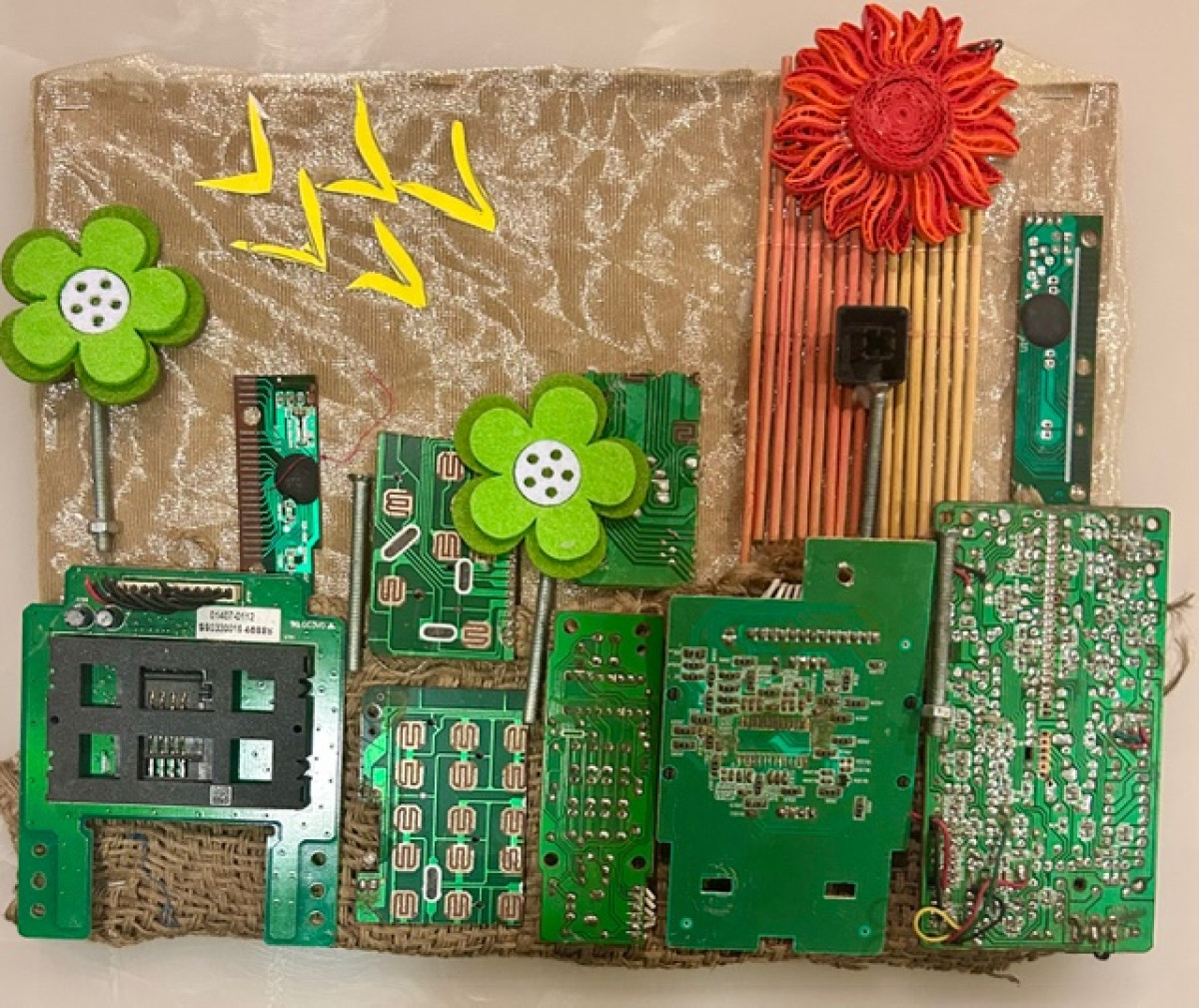
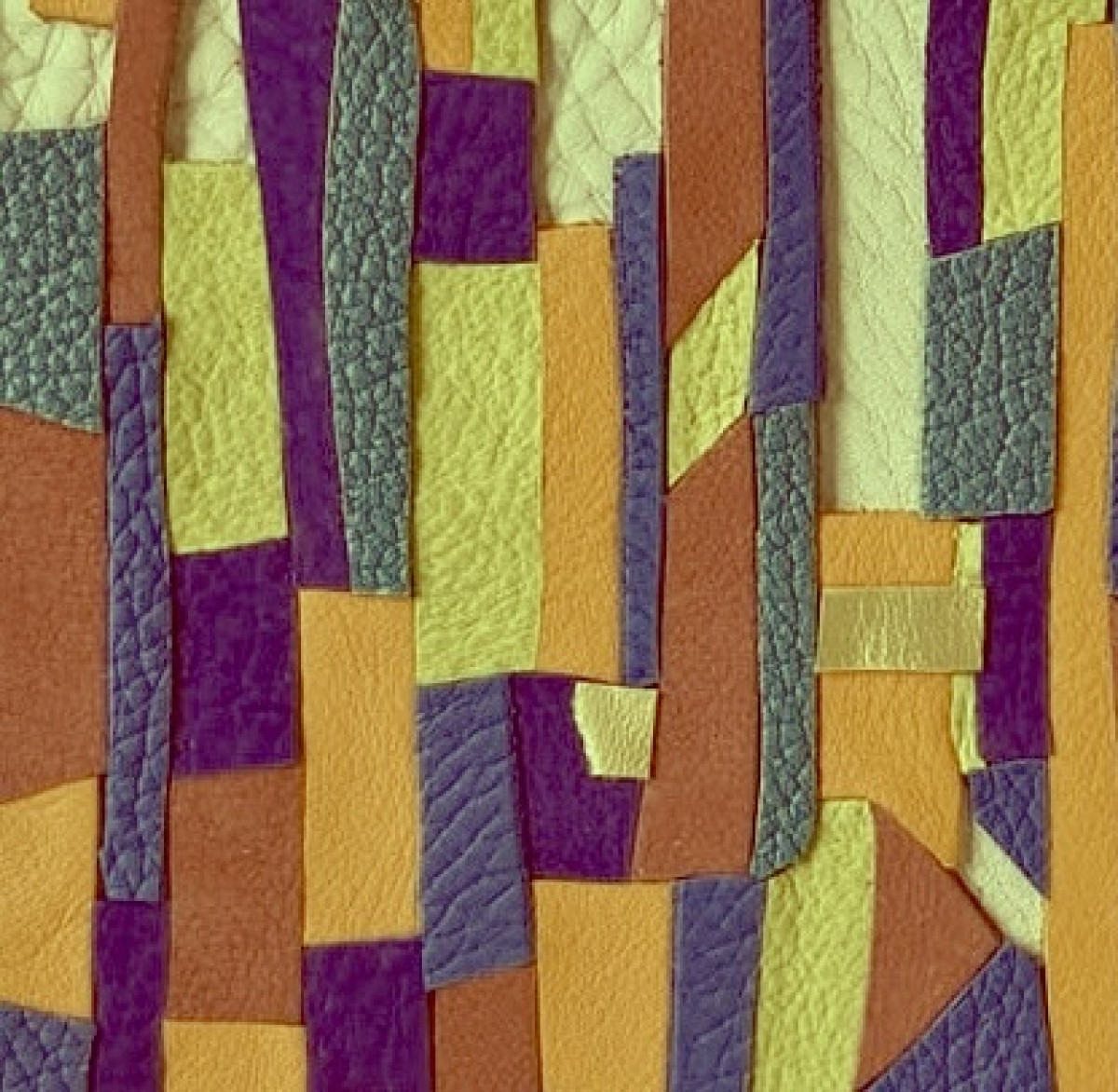
At its core, sustainable art emphasises the use of environmentally friendly materials, renewable energy sources, and processes that minimise harm to the planet. Many artists create their works from recycled or upcycled objects, such as discarded bottles, electronic waste, old clothes, or reclaimed wood, transforming unwanted materials into meaningful expressions of beauty.
For instance, El Anatsui’s vibrant bottle cap tapestries and Guerra de la Paz’s sculptures made from secondhand clothing show how waste can be reimagined into powerful cultural commentary.
Sustainable art is also about raising awareness. Through thought-provoking installations, paintings, or land-based artworks, artists encourage viewers to reflect on humanity’s relationship with nature.
Olafur Eliasson’s melting ice sculptures, for example, make the reality of climate change tangible, while Andy Goldsworthy’s ephemeral land art celebrates the fragility and beauty of natural cycles. These works inspire audiences to shift perspectives and adopt more sustainable habits in their own lives.
Moreover, sustainable art challenges traditional ideas of value and permanence. Unlike conventional materials that may exploit natural resources or generate lasting waste, eco-friendly practices highlight that art can be temporary, biodegradable, or regenerative. Plant-based dyes, natural pigments, solar-powered lights, and biomaterials reinvent not only the artwork but also the artistic process itself.
Beyond individual creativity, sustainable art also supports the broader goal of building a circular economy. By valuing reuse and minimising consumption, it aligns art-making with principles of resilience and renewal. It bridges culture with ecology and positions artists as both creators and changemakers.
In essence, sustainable art highlights that beauty and responsibility can coexist. It educates, provokes thought, and leads communities toward a more mindful existence. Ultimately, it reminds us that art is not just about what we create, but how we create—and the legacy we leave for the planet.

Guest Coulmn
As the calendar turns to a brand-new year and winter’s icy breath whispers through the air, undeniable magic wraps itself around us. It’s a season of fresh starts and cosy comforts, a time to reflect on the beauty of transformation—both within ourselves and in the spaces we call home.
Guest Coulmn
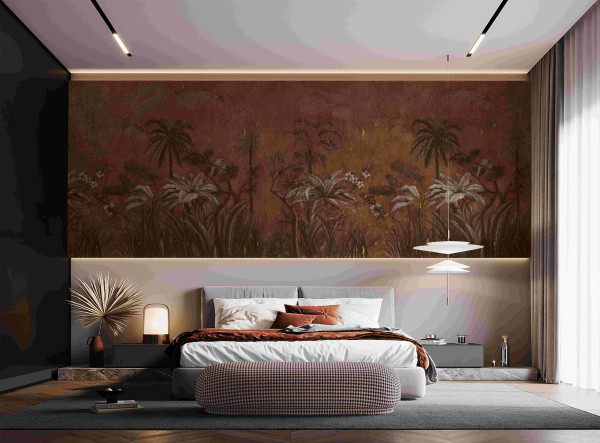
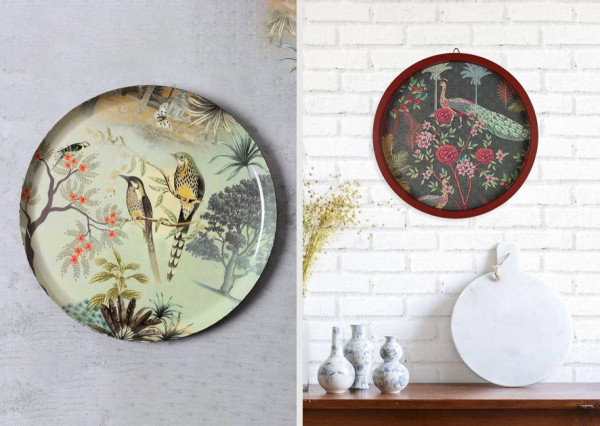
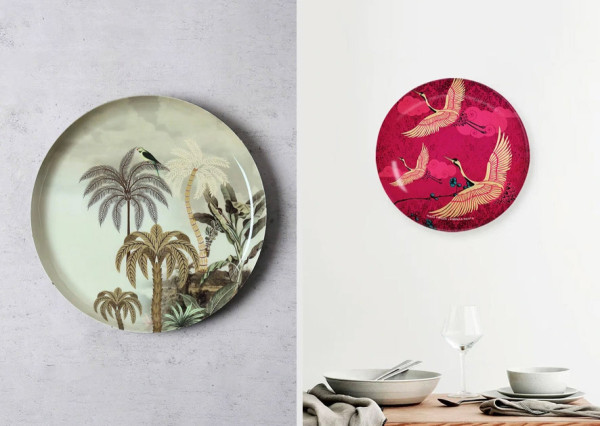
In the world of home décor, the walls play an important role in setting the ambience of a room. While most of the walls remain plain and neutral, some people add decorative items such as hand-painted decorative wall plates that add a touch of uniqueness.
Guest Coulmn
Wall décor is an important artwork that transforms your home décor into a stunning masterpiece. It shows your style, reflects seasons, and creates an inviting atmosphere.